Transitions, Promotions, and Discharging the Loyal Soldier–An Idea to Try On…
Say goodbye to old roles with dignity and honor. Invite people into their new roles with clarity and excitement!
A few years ago, I was recommended the book Falling Upward by Richard Rohr– a Franciscan friar, mystic and founder of the Center for Action and Contemplation.
Prior to this recommendation, I’d seen some of his videos about Enneagram typology. My team loved the Enneagram assessment and found it a good entry point for understanding their peers.
When I learned Father Rohr is considered a “mystic”, I found myself skeptical, uneasy, and a bit triggered. Back then, I perceived myself as a data and analysis guy. Mysticism went against all of that. However, when reading the text, I found there were more “A Ha” moments than not. One of those “A Ha” moments came from reading the story of discharging the loyal soldier.
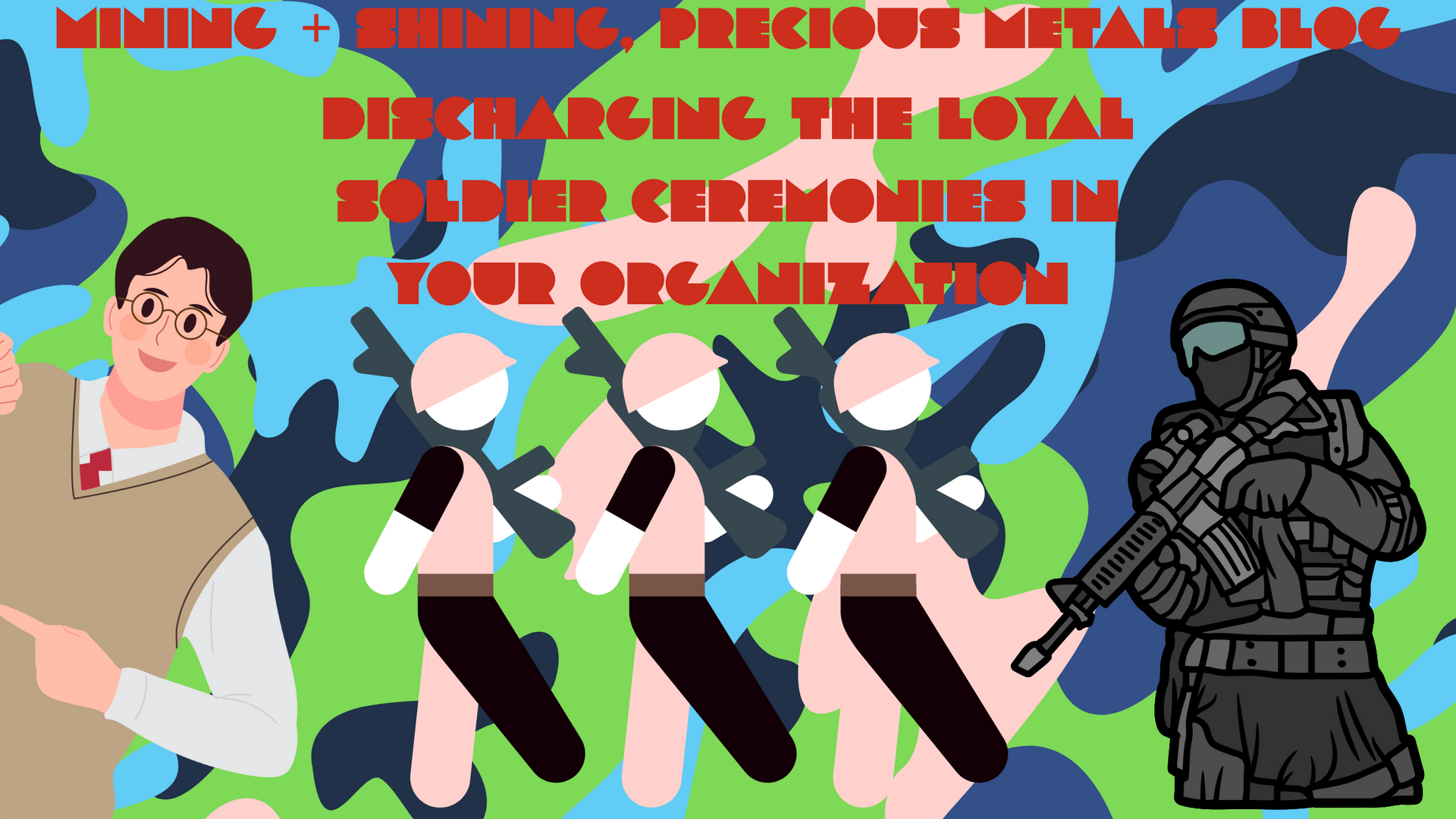
During WWII, communities in Japan conducted a ceremony for soldiers re-entering society after finishing their wartime obligations. To help with this transition, the soldiers were honored and praised for their war efforts. After being honoring the soldier, an esteemed elder spoke-- directing the soldier to let go of the war, while providing expectations for their reentry into society as peaceful and productive citizens.
There was clarity, honor, and a separation made between the past and the future. It dawned on me that we don’t do this enough in our organizations.
As such, I found myself jotting questions:
- What could a Discharging Your Loyal Teacher ritual look like for a person promoted out of the classroom and into the position of Assistant Principal or coach? How about for principals becoming principal managers or leaders transitioning out of the organization to pursue new challenges?
Implementing rituals and ceremonies for Discharging the Loyal Soldiers within organizations could benefit us all:
BENEFITS
- Honoring the Past: This is healthy for everyone. Sharing past triumphs and accomplishments feels good for the honoree and all other people in the room. Add gratitude, and it's even better!
- Clarity on Expectations : Because the loyal soldier is being discharged and transitioning to a new role, clarity of those expectations is important for everyone involved. Had the Japanese soldiers of WWII only been praised and discharged without expectations for the future, there may not have been any transition in any real sense of the word. Instead, the soldier may have gone out into the world as a soldier during peacetime, which could be dangerous. The same could happen in organizations as staff are promoted to new roles, but remain unclear as to what the expectations of the role are.
- Separation and Integration: I’ve used the rearview mirror vs windshield analogy often. As a rule, I used the analogy to focus my team more on the future during data talks or staff meetings. I aimed for a ratio of 80% future-focused talk and planning VS 20% past. Looking at the past, we mined for strengths, replicable actions, and root causes. The rest of the time was future-facing, vision setting, and getting clear on expectations while inspiring hope. A Discharging the Loyal Soldier ceremony should do the same.
Decorum and Structures
I’m a fan of decorum, structures and formalities when it comes to organizational rituals. If done well, they feel like secular holidays that employees look forward to a few times a year. Over my tenure in charter schools, I’ve been very fortunate to work for organizations that do this well, and I’ll share those experiences soon in another post. Until then, here are a few things to consider when setting up a ceremony :
- Have Witnesses : We all love transparency. By holding the ceremony in front of an audience, onlookers can learn how to rise to the next level while becoming clearer as to what is expected of different positions at that particular time. Moreover, it may give people a goal to strive for, a personal vision for excellence while pursuing their personal mythology.
- Be Formal: Have you ever been invited to a party or event, then show up and there’s no balloons nor decorations to signify its importance? I have, and it feels like any other day. Ceremonies should feel different– there should be something pattern-breaking about them so as to become memorable, desirable and something people look forward to .
- Provide Tokens and Symbols: A token or symbol goes a long way in a ceremony. Be sure to provide honorees with something soulful to hold onto during the tough times , when the person needs to remember the new role that he or she has taken on .
If your organization has a promotion ceremony for staff, I’d love to hear about it. Just reply in the comments or send me a note.
And if your organization would like to collaborate to create a ceremony unique to your people and needs, send me a note.